To support the wellbeing and development of under-resourced children and youth through structured activities that help them build confidence, develop healthy peer relationships, and strengthen a sense of stability and belonging.
At a Glance
Enrichment is not optional. It is part of what makes growth possible. Gwags runs structured activities that give children and youth consistent, positive experiences that support how they think, relate, and grow.
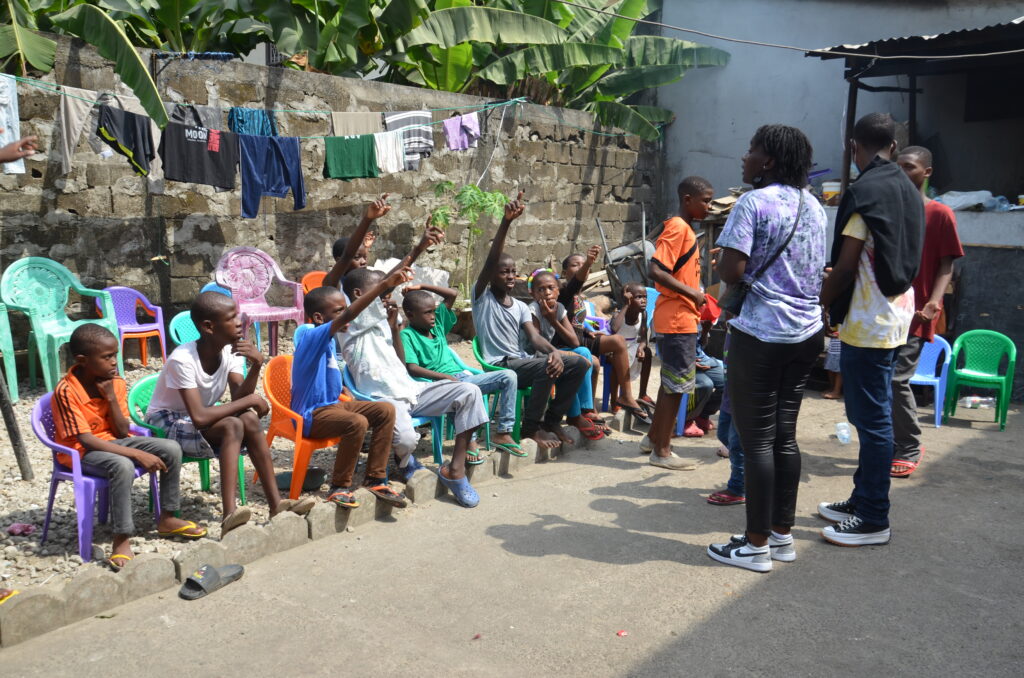
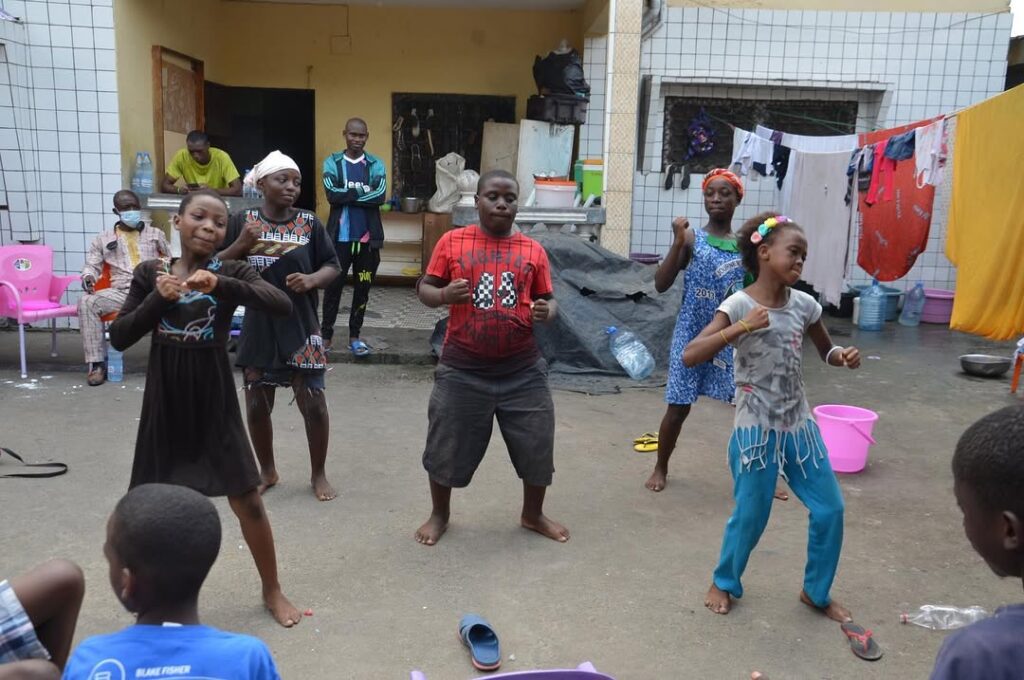
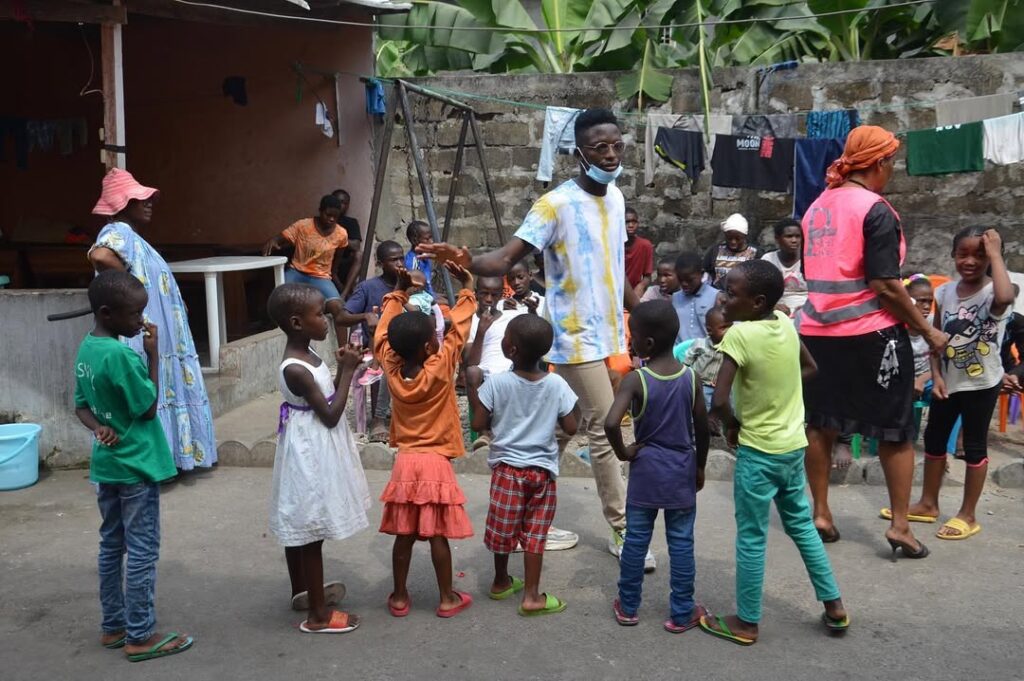
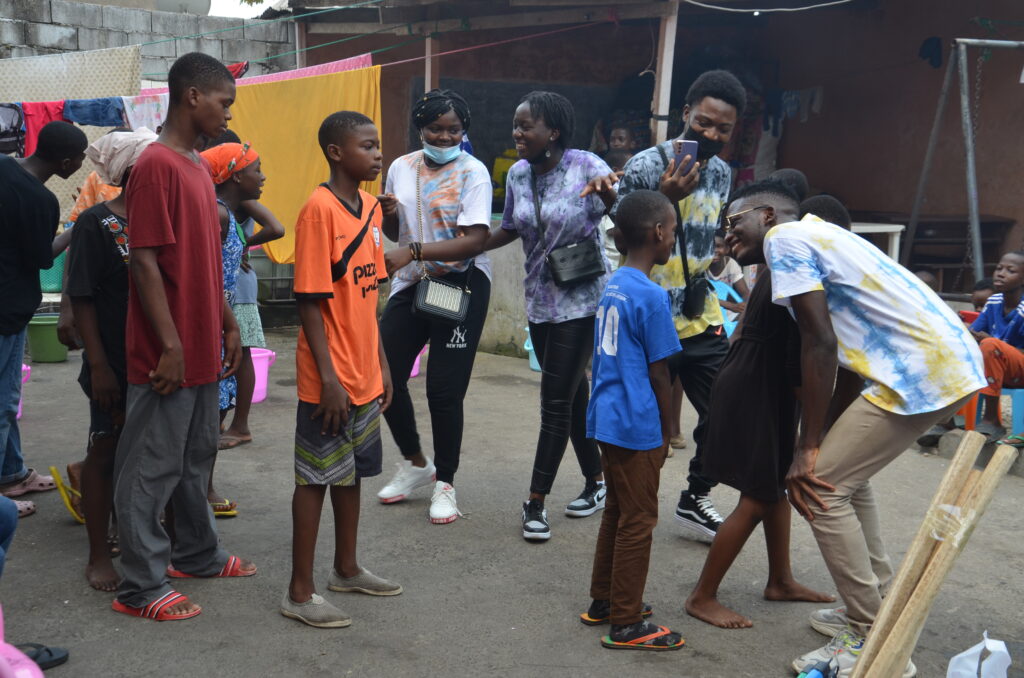
Structured group activities designed to build confidence and cooperation
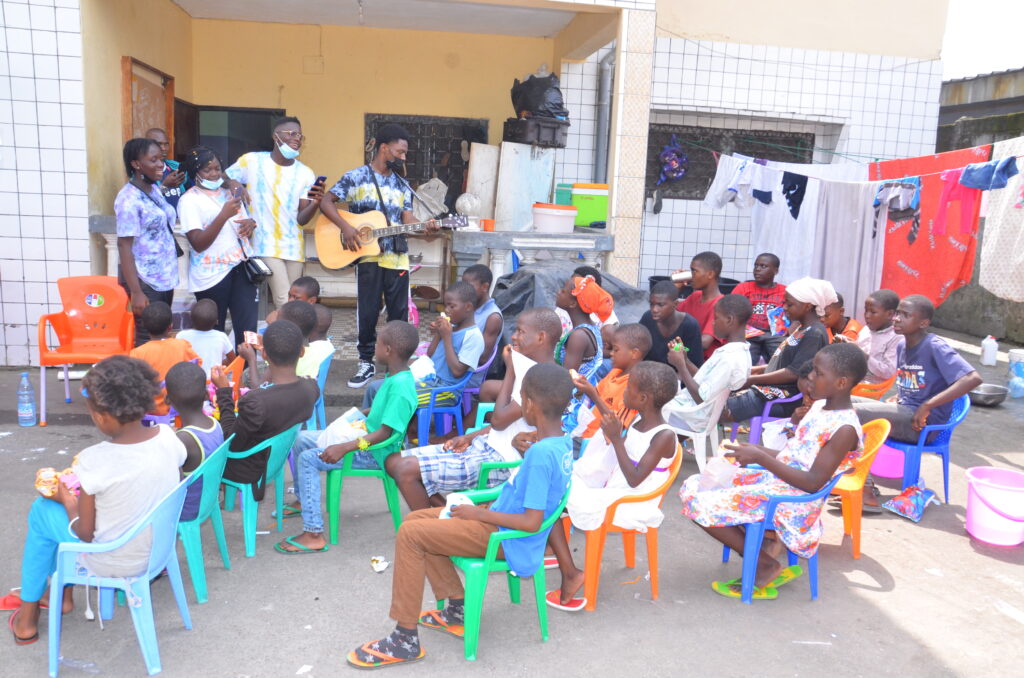
Supervised recreational moments that encourage respect, connection, and peer interaction
Communication-focused activities that strengthen expression
Built to be repeatable and scalable across community visits
Our Strategy
We design enrichment activities with clear purpose and structure. Each visit is planned to keep children and youth engaged while supporting their wellbeing and healthy development.
We begin with simple icebreakers that create connection and positive energy, then move into group activities that strengthen teamwork, communication, and reflection. We also include supervised recreational moments, creating a positive space where children and youth can connect, participate, and enjoy the session in a respectful setting.
Beyond keeping children and youth active, these activities create moments of stability, guidance, and shared experience. They help reduce isolation, strengthen social connection, and support a healthier mindset through positive interaction and guided participation. The result is not just entertainment, but a practical way to support children and youth’s wellbeing and positive development in a manner that is safe, meaningful, and grounded in the realities of the communities we serve.
Why We Focus on Enrichment Activities
Many children and youth in under-resourced settings face stress, instability, and limited access to safe spaces. Even when basic needs are met, it does not replace the need for positive experiences that help young people feel seen, included, and supported.
We focus on enrichment activities because they create strong moments of community. Group activities and supervised recreation help reduce isolation, encourage respectful interaction, and give children and youth a space to engage with others in a constructive way. They also support communication, teamwork, and emotional stability by creating routines of positive engagement during our visits.
These experiences strengthen the social and emotional foundations that shape how children and youth learn, relate to others, and navigate challenges. In environments where support systems are often limited, well-designed enrichment activities can be a powerful complement to basic assistance and education.